There are plenty of powders, pills and potions that come with myriad marketing claims but have little scientific backing – here are five supplements supported by robust research that could genuinely help you go faster
We are constantly bombarded with news about recently developed sports drinks, gels, powders and pills, all promising ever-greater performance gains for cyclists. The options are dizzying and unless you're a sports nutritionist yourself, or have easy access to one, figuring out which supplements actually work can feel like an uphill struggle in itself.
Anita Bean, author of The Complete Guide to Sports Nutrition, investigates the five products which, according to the 2018 consensus statement by the International Olympic Committee, are supported by peer-reviewed research and may offer performance enhancement.
The advice in this article stands the test of time, we fact-checked and updated it in October 2026 to ensure the information was still up to date.
Anita Bean is an award-winning registered nutritionist, health writer, internationally published author and former British bodybuilding champion. She is accredited by the Association for Nutrition (AfN) and specialises in sport and exercise nutrition.

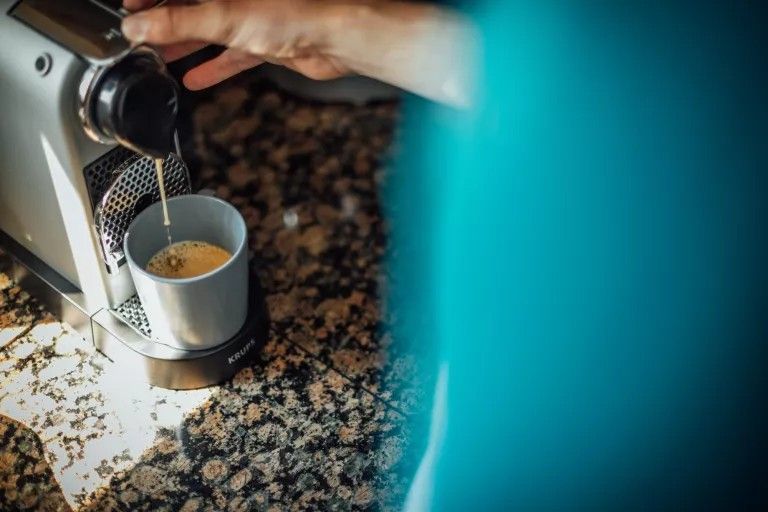
Cyclists are generally only too happy to embrace caffeine as an essential performance aid, with many of us drinking it daily in the form of coffee. It's also a very well-understood drug, having been studied for more than a century.
When we consume it (whether in a morning brew or in tablet or as an ingredient in gels) caffeine acts on the brain, blocking receptors that detect the presence of a fatigue-inducing chemical called adenosine. Caffeine thus increases alertness and concentration and diminishes the perception of effort, so you can keep going longer before succumbing to tiredness.
"It's useful both on the road and on the track for its performance benefits, as well as cyclo-cross events," explains Dr Sam Impey, lead nutritionist for the Great Britain Cycling team.
Caffeine may improve endurance by 2-4% , as well as benefiting sprint and power events, according to the 2021 position stand of the International Society of Sports Nutrition (ISSN).
Dr Impey recommends 2 to 3mg of caffeine per kilogram of bodyweight, and suggests consuming it with carbohydrate to help with quick absorption.
"For ease, many elites take caffeine in the form of chewing gum since 80% of the caffeine is absorbed 10 minutes after ingestion," he explains. "Whereas it takes 30 to 60 minutes after tablets or gels."
While lots of us enjoy a pre-ride flat-white or latte, analysing the effect of drinking coffee as a performance-enhancing technique is trickier to measure, because the caffeine content of a cup of coffee varies hugely depending on who makes it. For example, a Which? survey found a single espresso from Pret A Manger contained six times as much caffeine as one from Starbucks, while cappuccinos from Greggs and Pret contained significantly less caffeine than one from Costa.
Dr Impey also cautions that Individual responses vary, and not everyone performs better with caffeine. "This is thought to be due to genetic variation, which can predispose people to be ‘fast’ or ‘slow’ caffeine metabolisers, he says. "‘Fast’ metabolisers have the AA genotype of the CYP1A2 gene, break down caffeine quicker and experience a greater performance enhancing effect than slow metabolisers (CC genotype)."

There is lots of evidence to back claims that beetroot juice – a rich source of nitrate – can improve endurance performance, inclding in time trials between 12 and 40 minutes as well as repeated sprint performance. "This makes it a potentially useful supplement for road TTs, sprint and endurance track events," says Dr Impey.
A 2020 meta-analysis of 80 studies showed that beetroot juice enhanced endurance performance by approximately 3%. "We find that the performance benefits tend to be less than those from caffeine," notes Dr Impey.
It does this by basically increasing levels of nitric oxide in the body, which helps to dilate blood vessels, reduce the oxygen cost of submaximal exercise and delay fatigue. This means you can tolerate higher intensities for longer.
The majority of studies showing a positive effect involved untrained or recreational athletes. Whether beetroot juice also benefits performance in elite cyclists is unclear. Additionally, beetroot juice may not benefit female cyclists in the same way as it does male cyclists, according to a 2020 analysis.
The optimal dose is 5-9 mmol (310-560mg) nitrate, equivalent to one or two 70ml beetroot shots, consumed 2-3 hours before exercise. But a 3-7 day ‘beetroot loading’ phase may be needed to produce an ergogenic effect in more highly trained cyclists, according to a recent Danish study.

The idea behind beta-alanine supplementation is to increase carnosine levels, which in turn may help reduce muscle acidosis and delay the onset of neuromuscular fatigue.
A 2017 systematic review of 40 studies involving a total of 1,451 participants concluded that beta-alanine supplementation could bring small but meaningful benefits (0.2-3%) for those participating in events ranging from 30 seconds to 10 minutes.
"Sprinting is the most common use for beta-alanine but there are also potential benefits for road endurance events where you’re sitting at or close to threshold for a while," explains Dr Impey. "The amount of lactate produced ramps up so if you can delay that a bit, then that’s a benefit."
The ideal dose is 65mg/kg bodyweight/day, or about 3.2-6.4g per day, but it is actually most effective when taken in several smaller doses (for example 0.8-1.6g every 3-4 hours) over a 10 to 12-week loading period. The main side effect is paraesthesia (skin tingling) within 30-60 minutes of taking a dose, although this appears to be harmless and is associated mainly with higher doses.

Like caffeine, creatine is a sports supplement that has been studied indepth, and results have consistently shown that it increases strength, power and muscle mass through resistance training. It is most commonly available as creatine monohydrate.
Creatine combines with phosphorus to form phosphocreatine (PC) in your muscle cells. This is an energy-rich compound that fuels your muscles during high-intensity activities, such as lifting weights or sprinting.
Creatine supplementation raises PC levels, allowing you to sustain all-out effort longer and recover faster between sets, leading to greater training adaptations.
"For this reason, it’s favoured by track sprint cyclists – but the real benefit of creatine comes from supporting gym work, building power and strength, which translates as better power output on the bike," says Dr Impey.
But there are potential downsides of creatine supplementation for cyclists, namely weight gain due to extra water, which can cancel out the gains in sprint power. To minimise the weight gain associated with creatine loading, Dr Impey advises taking a maintenance dose of 2-5g per day. It may be worth trying during the off-season when you do more strength training.
Bicarbonate works by making the blood more alkaline and counteracting the rising acidity that occurs during high-intensity exercise, delaying fatigue. Studies show it boosts performance by 2-3% in events between 45 seconds and 8 minutes.
"Bicarbonate can produce potentially the biggest gains in acute performance, but these are often accompanied by the gastrointestinal challenge that it can often produce," says Dr Impey. Its side effects – namely gas, bloating, stomach pain and explosive diarrhoea – may cancel out any potential performance benefit.
To reduce the risks of gastrointestinal upset, Dr Impey advises taking sodium bicarbonate (0.3g/ kg bodyweight) with 1-1.5g carbohydrate/kg bodyweight and at least 500ml water in the 2-3 hour pre-exercise period.
This, he says, creates similar conditions to Maurten’s Bicarb System. This is a pricier option in which bicarbonate is encapsulated in a hydrogel so it bypasses digestion in the stomach (thus avoiding stomach problems) then enters the intestines where it gets dissolved and absorbed. There are no published studies to support its claims to date but Team Jumbo Visma and other WorldTour cyclists have used it with success.
If you compete in events and decide to take a supplement, check that it has been certified by a supplement certification programme, such as Informed Sport. Supplements are the biggest cause of inadvertent doping in the UK. British Cycling has a policy of strict liability, which means cyclists take supplements at their own risk.
"I always say, if a supplement sounds too good to be true it probably is. And if it has that much of a performance benefit then it should be banned or probably will be banned soon!" cautions Dr Impey.